Fiber artistry is a captivating craft that weaves creativity, texture, and color into stunning works of art. This form of expression is as diverse as the materials and techniques it encompasses, offering a unique touch to both traditional and contemporary aesthetics.
A Brief History of Fiber Art
Fiber arts have a rich history, dating back thousands of years. Initially functional, textiles quickly evolved into artistic expressions. Cultures across the globe have contributed to its evolution, from intricate tapestries of medieval Europe to vibrant African kente cloths.
Exploring Fiber Techniques
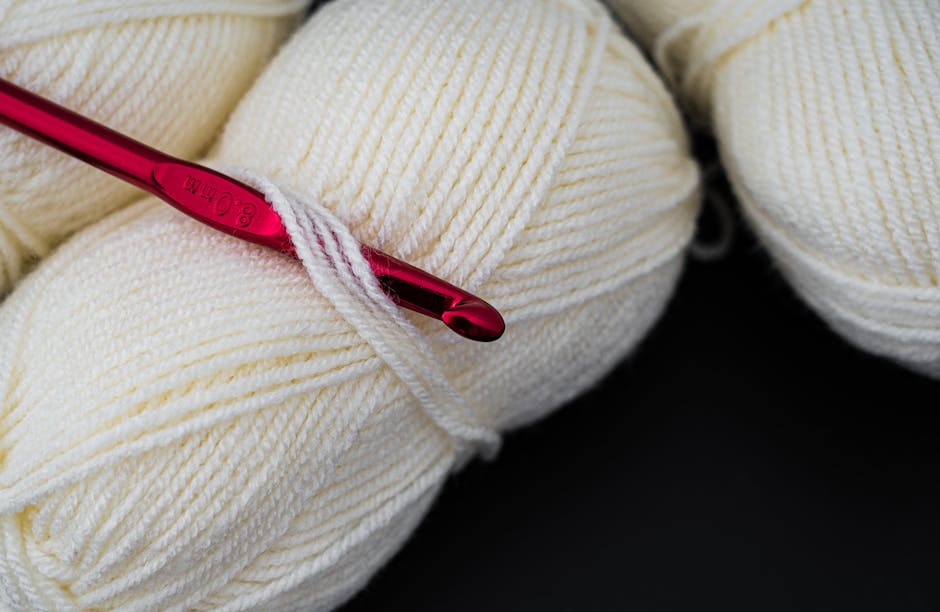
Modern fiber artists employ various techniques such as weaving, knitting, crocheting, and felting. Each method offers endless possibilities, allowing artists to play with patterns, shapes, and structures to create unique art pieces.
The Role of Materials
The choice of materials is crucial in fiber artistry. Natural fibers like cotton, wool, and silk add warmth and elegance, while synthetic fibers provide resilience and versatility, offering new textures and colors to explore.
Celebrating Fiber Art Today
Today, fiber art transcends the boundaries of traditional crafts, finding its place in galleries and museums worldwide. The increasing appreciation of hand-made crafts fuels this art form's popularity, making it an ever-evolving field brimming with inspiration.
In conclusion, fiber artistry is a dynamic blend of history, technique, and innovation. This art form not only preserves cultural heritage but also pushes creative boundaries, fostering a diverse and rich tapestry of artistic expression.