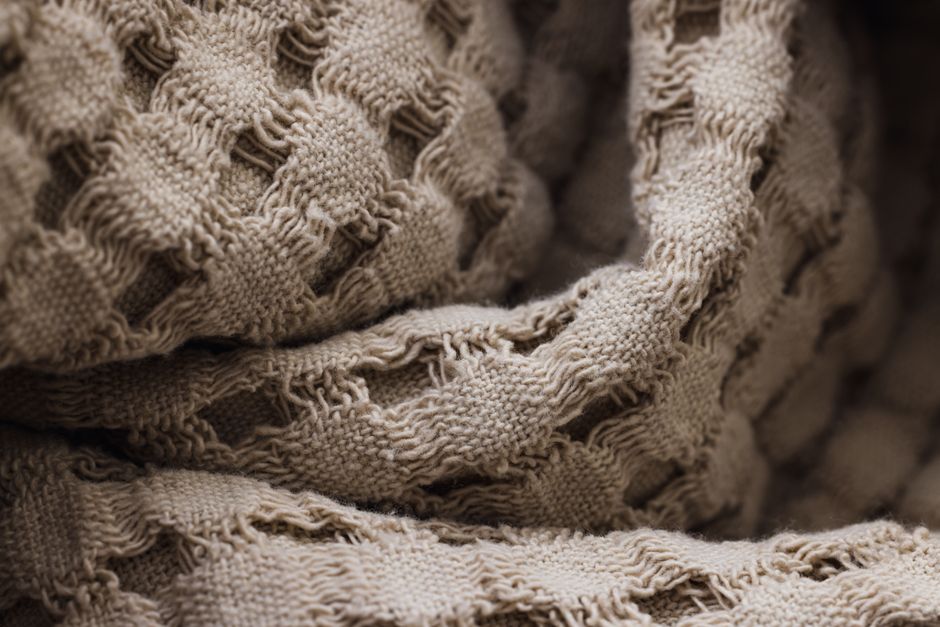
Weaving and knitting are ancient crafts that have woven their way through history, each offering unique techniques to create fabrics. In this article, we explore the differences that set weaving and knitting apart in the textile world.
The Basics of Weaving
Weaving is a method of fabric production where two sets of yarns or threads are interlaced at right angles. Typically, the lengthwise yarns are called the warp, and the crosswise yarns are referred to as the weft. This technique creates strong, durable fabrics often used for garments, home textiles, and more.
Understanding Knitting
Knitting, unlike weaving, involves creating loops with a single thread using needles. These loops, or stitches, interconnect in rows to form stretchable and comfortable fabrics. Knitting is particularly popular for crafting cozy garments like sweaters and scarves due to its flexibility and warmth.
Key Distinctions
While both techniques produce fabric, weaving offers a more rigid structure compared to knitting's elasticity. Weaving is often favored for structural pieces, whereas knitting is revered for its comfort and stretch.
Conclusion
Both weaving and knitting hold essential places in textile production, each with unique characteristics catering to diverse needs. Understanding these distinctions enriches our appreciation for the artistry involved in crafting the clothes and textiles we cherish today.
