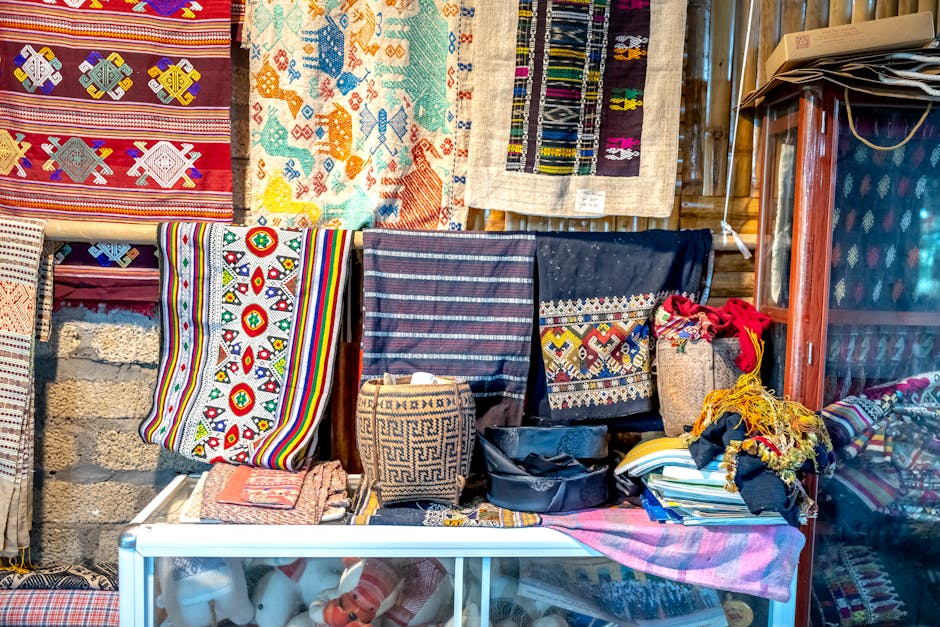
Handcrafted textiles offer a kaleidoscopic insight into global cultures, traditions, and artistry. These unique creations are not just functional items but are deeply interwoven with the identity of the regions they originate from. Let’s explore what makes these textiles so special.
The Cultural Significance of Handcrafted Textiles
Across the world, handcrafted textiles serve as a canvas for cultural storytelling. Whether it's the intricate Indian saris, the vibrant African Kente cloth, or the elegant Japanese kimonos, each piece reflects its cultural roots and historical context. These textiles are crafted using techniques passed down through generations, preserving age-old traditions.
The Artistry Behind the Craft
Creating handcrafted textiles involves meticulous processes, from spinning and dyeing yarns to intricate weaving and embroidery. Artisans infuse their creativity and skills into every piece, making each textile a unique masterpiece. This dedication results in collectibles that carry emotional and artisanal value.
Sustainability and Ethical Impact
Choosing handcrafted textiles supports sustainability and ethical production. Unlike mass-produced fabrics, handcrafted pieces often have a lower environmental impact and contribute to the livelihoods of skilled artisans. Supporting these crafts aids in preserving both cultural heritage and the environment.
Conclusion
Handcrafted textiles are an art form that offers more than visual beauty—they tell stories, sustain traditions, and promote sustainable practices. As consumers increasingly value authenticity and ethical production, the appreciation for these unique textiles continues to grow. By cherishing handcrafted textiles, we embrace the rich tapestry of global culture and heritage.