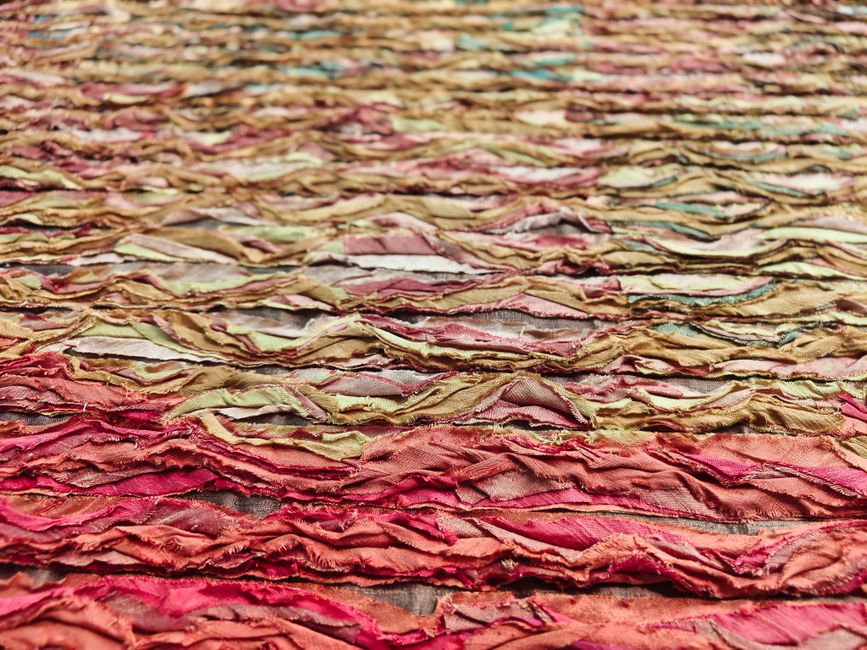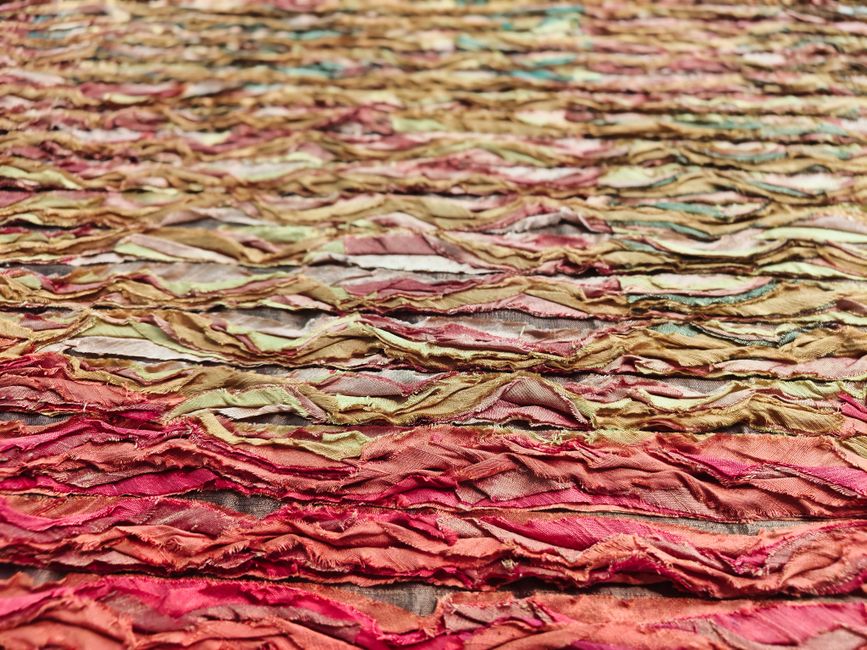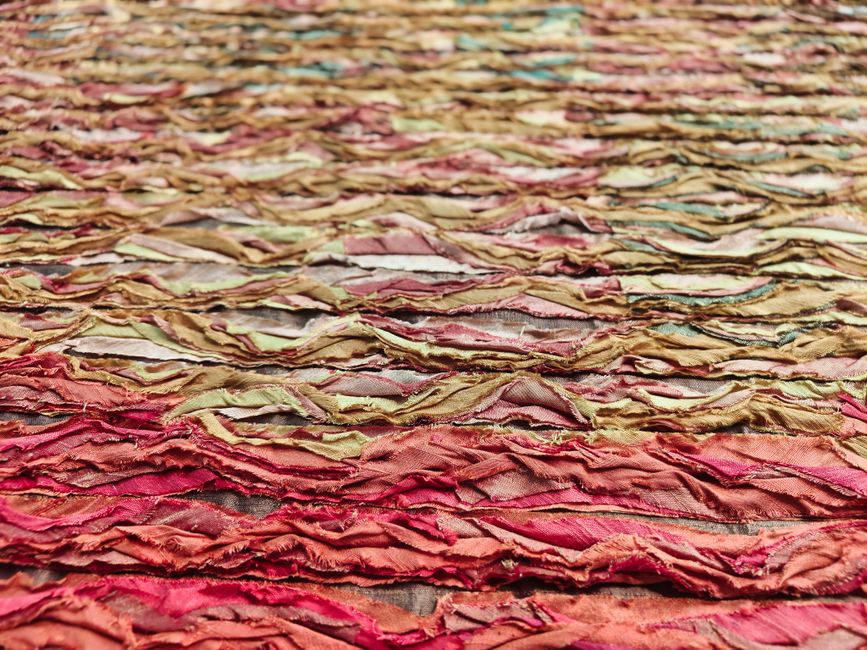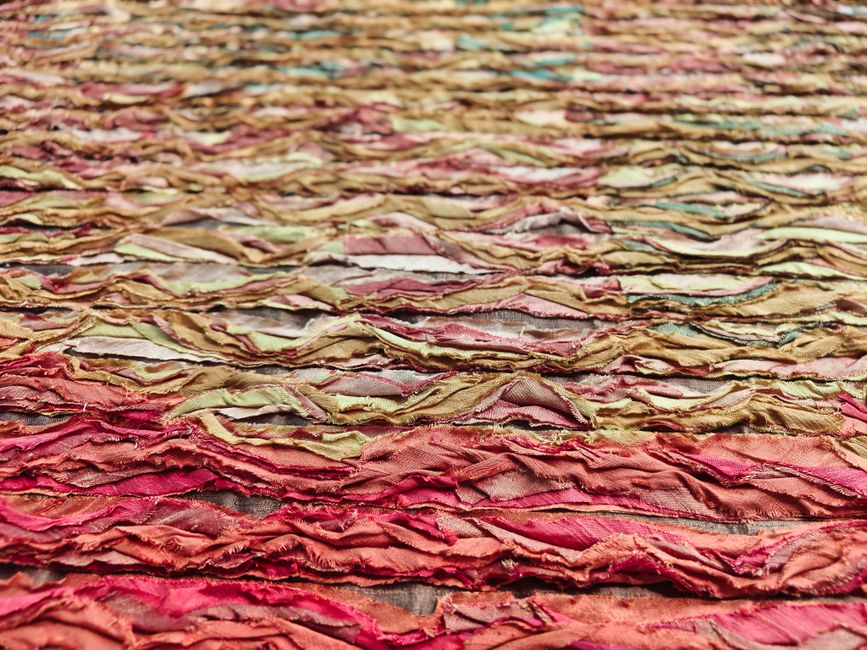
Handmade textile art is a captivating domain where creativity meets traditional craftsmanship, producing pieces that narrate stories through fabric and thread. Rooted deeply in history, this art form encompasses a wide array of techniques, each unique in its cultural expression and aesthetic appeal.
Understanding Handmade Textile Art
At its core, handmade textile art involves the creation of decorative or functional items from weaving, embroidery, quilting, and other textile manipulation methods. The artistry lies not just in the final product but in the intricate process and the artist's intent behind each piece.
Techniques and Styles
From the bold, graphic patterns of African Kente cloth to the delicate embroidery of East Asian silk, handmade textile art boasts a diverse range of techniques. Artists often blend traditional methods with contemporary styles, creating innovative works that are visually striking and rich in meaning.
The Cultural Significance
Textiles often carry deep cultural significance, serving as a medium for storytelling and a repository of cultural heritage. Each piece reflects the social, economic, and historical contexts of its origin, making the study of textile art a journey into the lives and traditions of different peoples.
Conclusion
Handmade textile art offers more than mere aesthetic pleasure; it is a dynamic form of expression that bridges the past and present. By appreciating these handcrafted pieces, we honor the skilled artisans and the cultural stories woven into every thread.