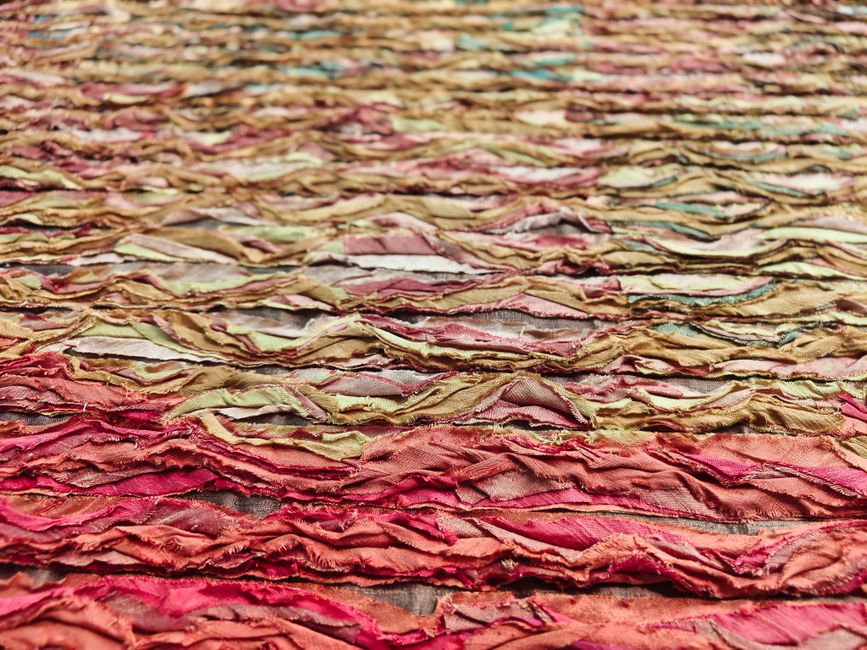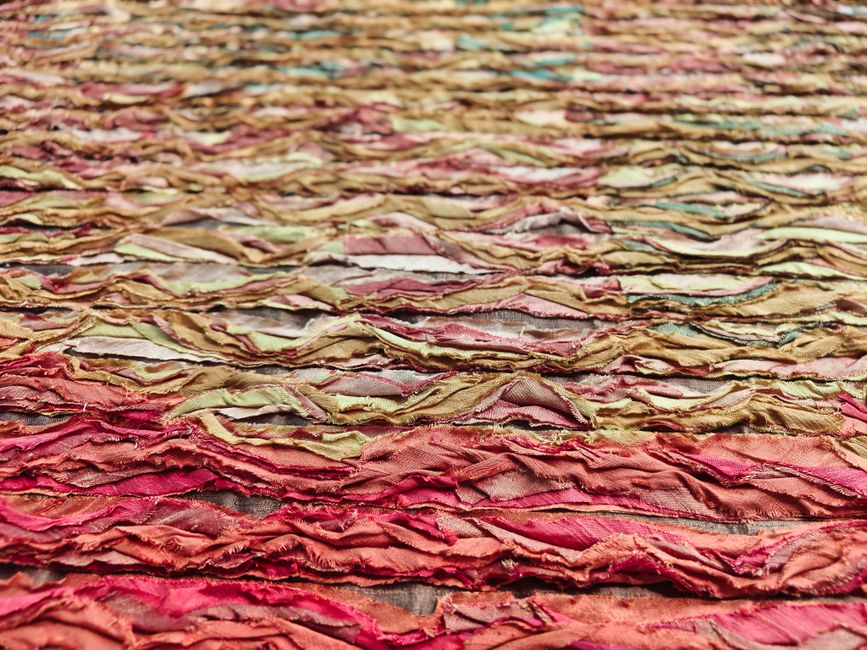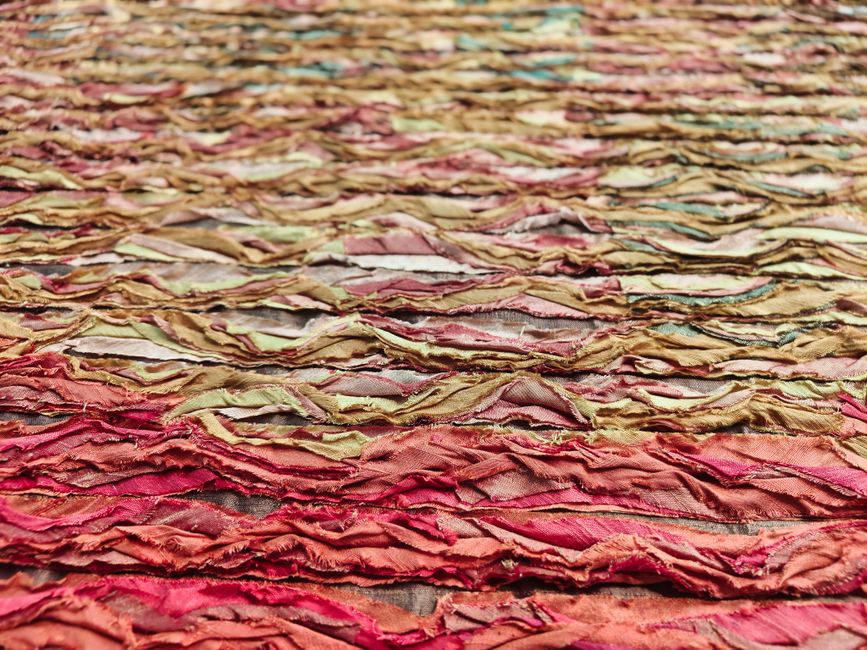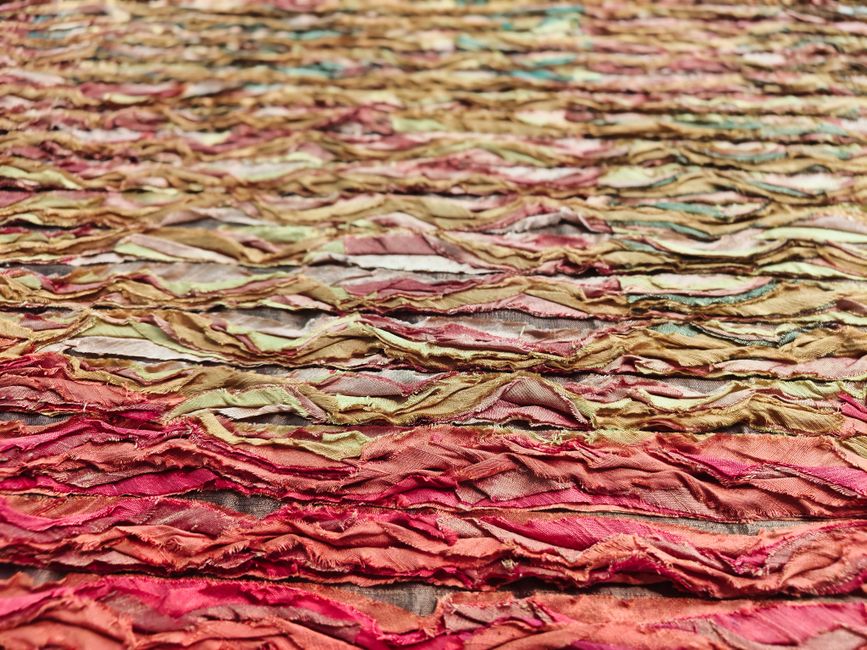
In a world increasingly driven by technology, handmade textile art stands as a testament to human creativity and patience. This art form combines fibers, fabrics, and imagination to create something truly unique and expressive.
The Rich History of Textile Art
Textile art has deep roots, dating back to ancient civilizations where it adorned homes and clothing. From intricate tapestries in medieval Europe to colorful quilts in North America, each piece tells a story of its era and place.
Techniques and Materials
Creating textile art involves various techniques like weaving, knitting, and embroidery. Artists often choose natural fibers such as cotton, silk, and wool, which provide unique textures and durability.
The Contemporary Appeal
Today, textile art is experiencing a resurgence. People seek the individualized touch of handcrafted items, valuing their authenticity and sustainability over mass-produced goods. Modern artists blend traditional methods with contemporary themes, creating dynamic pieces that captivate audiences.
Conclusion
Handmade textile art is not just an aesthetic delight but a cultural dialogue that reflects humanity's shared heritage and evolving narratives. Embracing textile art is embracing a legacy of creativity and craftsmanship.