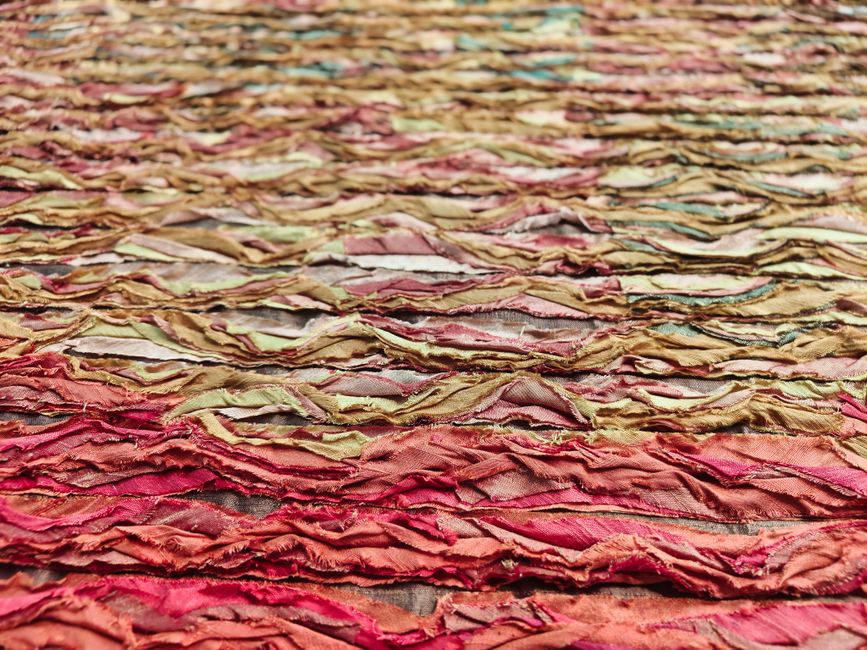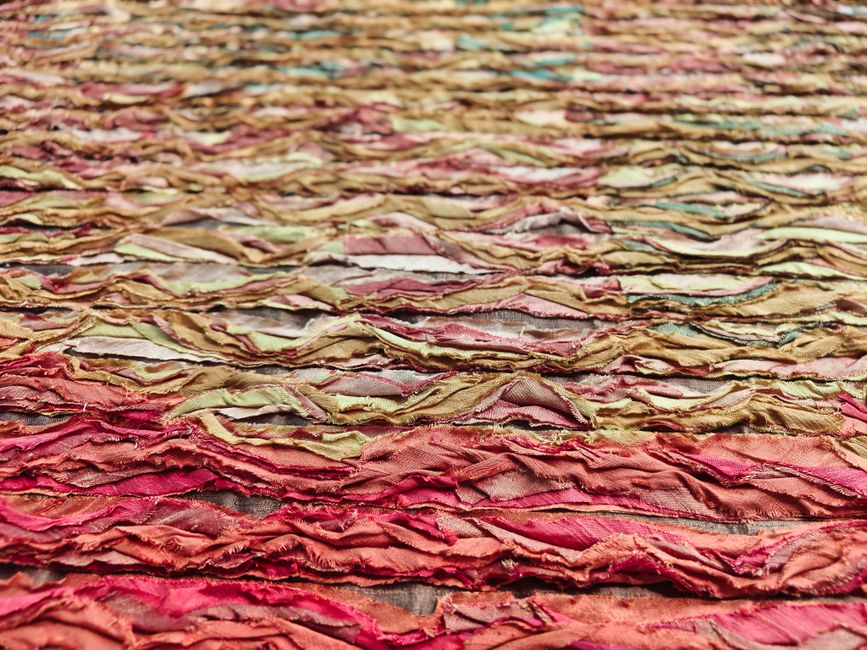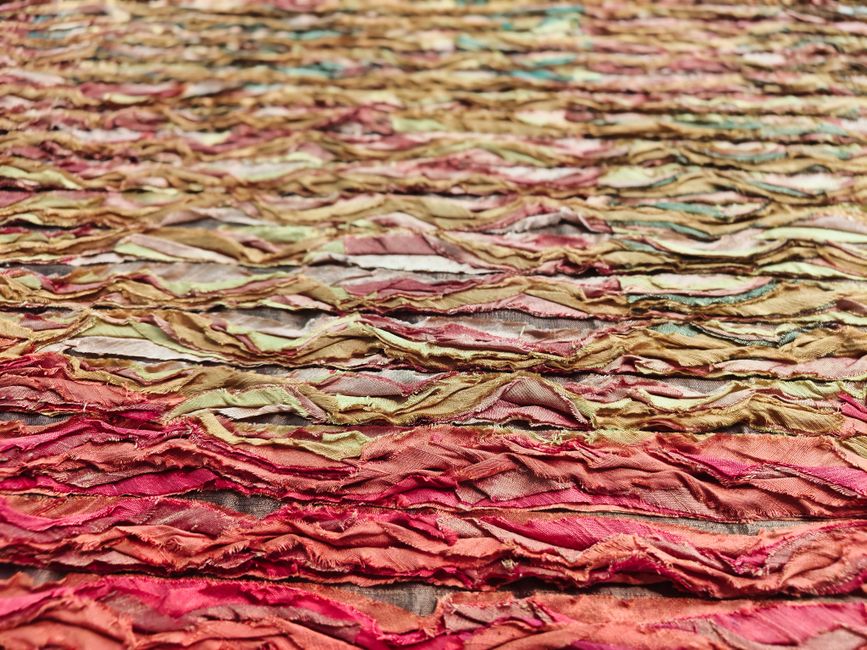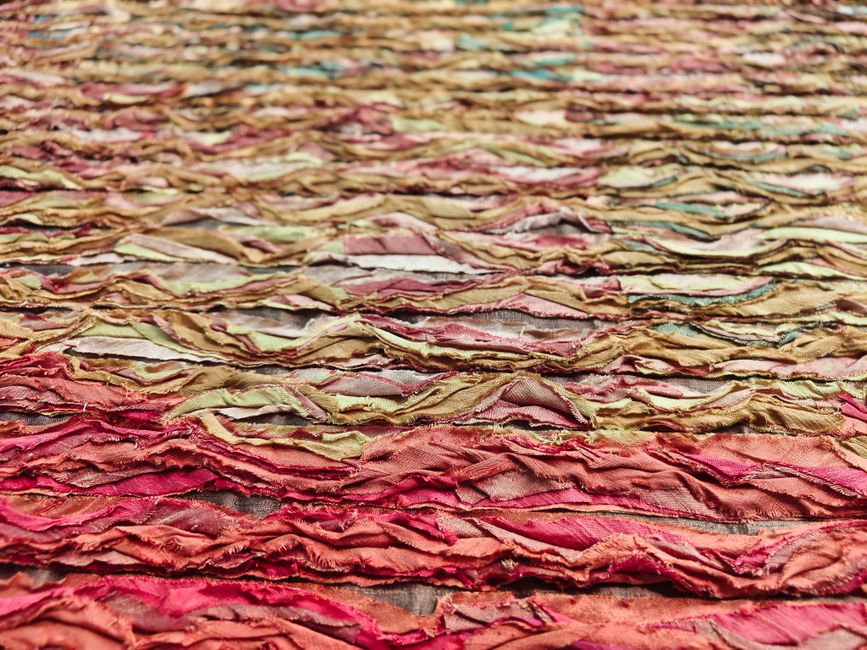
In a world driven by rapid manufacturing, handmade textile art stands as a testament to human ingenuity and cultural richness. This art form, cherished for its individual touch, holds deep-rooted connections to history and tradition.
The Rich Diversity of Textile Techniques
Handmade textile art encompasses a plethora of techniques, including weaving, embroidery, and quilting. Each method offers unique textures and patterns, characteristic of the artisan's skill and cultural influences.
Materials: The Foundation of Artistry
Artisans often choose natural fibers such as wool, cotton, and silk, celebrated for their durability and elegance. The choice of material not only affects the final outcome but also elevates the tactile experience.
The Cultural Significance
Textile art reflects the heritage and stories of communities worldwide. Each piece often narrates tales of its origin, preserving cultural identities through symbolic patterns and colors.
Conclusion: The Timeless Appeal of Handmade Textiles
Handmade textile art remains a crucial medium for self-expression and cultural storytelling, inviting us to appreciate the painstaking craftsmanship that goes into each unique creation.